In the digital age we live in now, the quality of your audio can make or break your content. If you want to keep your audience’s attention, you need clear and crisp audio, whether you’re a podcaster, video maker, musician, or business person. AI audio enhancers are powerful tools that use artificial intelligence to clean, restore, and improve audio quality with little to no work on your part.
What Is an AI Audio Enhancer?
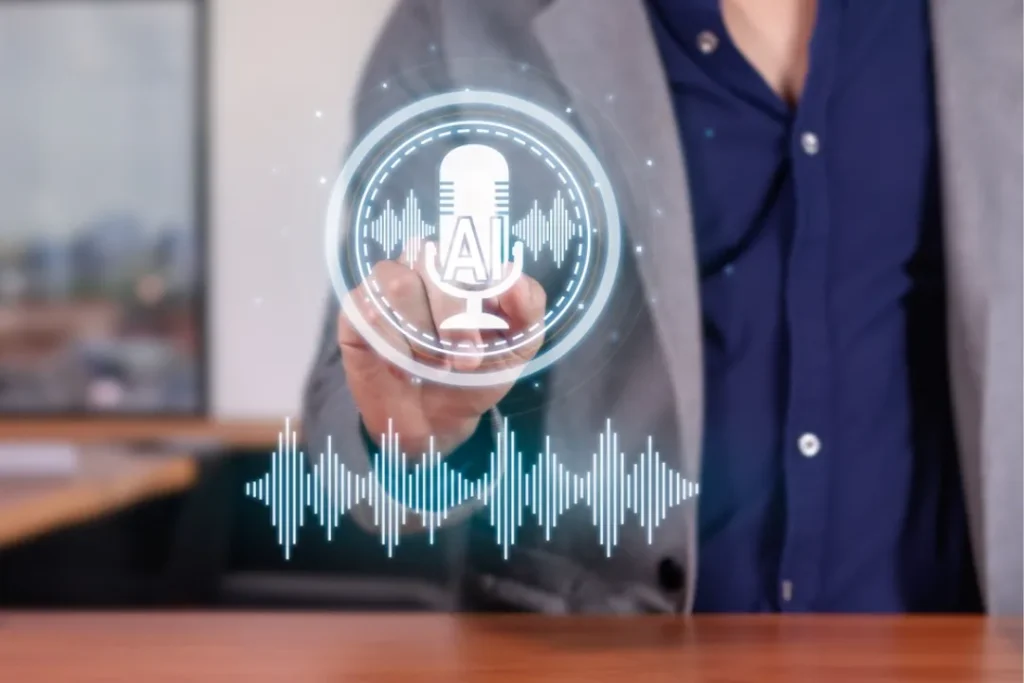
An AI audio enhancer is a piece of software that uses machine learning to automatically look at and improve audio recordings. AI-powered enhancers can find and fix audio problems in seconds, unlike traditional audio editing software that needs to be manually adjusted and requires technical knowledge. This makes professional-quality sound available to everyone.
These smart systems learn from millions of audio samples, which lets them tell the difference between good sounds like voices or music and bad sounds like noise. They can automatically get rid of background noise, echo, and distortion, and improve the overall clarity without lowering the quality of the original audio.
How AI Audio Enhancement Works
Deep learning neural networks that have been trained to find patterns in audio signals are what AI audio enhancers use. The AI looks at the waveform of an audio file when you upload it and finds different parts, like speech, music, background noise, and unwanted artifacts.
There are a number of complicated steps that the technology goes through. The AI first does noise profiling, which means it finds and maps out background noise, hisses, hums, and other sounds that aren’t wanted. Next, it uses spectral analysis to break up different frequency ranges. This lets it focus on specific problem areas without changing the whole audio spectrum.
During the enhancement phase, many things happen at once. Noise reduction algorithms get rid of unwanted sounds, equalization changes the frequency balance for the best clarity, compression levels out the volume, and restoration techniques fix audio that is distorted or clipped. This all happens on its own, usually in a matter of seconds.
Key Benefits of AI Audio Enhancement
The best thing about AI audio enhancers is that they are easy to get to. You don’t need to have worked in audio engineering for years or have expensive studio equipment to get professional results. The AI makes complicated technical decisions on its own, making high-quality audio production available to everyone.
Another big benefit is that it saves time. AI enhancement can do in minutes or even seconds what would take hours of manual editing. This speed is very helpful for content creators who have to meet tight deadlines or work with a lot of audio files.
AI enhancers also make sure that all of your projects are the same. The algorithms use the same rules to improve every file, so the audio quality in your entire content library is the same. This consistency is especially useful for businesses that want to keep their brand standards and for podcasters and YouTubers.
AI enhancement is appealing to people and small businesses because it is cost-effective. Many tools have free or low-cost subscription plans, so you don’t need to hire an expensive audio engineer or rent studio time for basic enhancements.
Common Audio Problems AI Can Fix
AI audio enhancers probably deal with background noise the most. AI can effectively reduce or get rid of distractions like the hum of the air conditioning, the sounds of traffic, the sound of typing on a keyboard, or the general noise in the room while keeping the main audio signal.
AI enhancement is also good at getting rid of echo and reverb. Sound reflections that make the audio sound bad are common in recordings made in untreated rooms. AI algorithms can find and get rid of these echoes, which makes the sound cleaner and more professional.
Many recordings have problems with volume, especially when there are multiple speakers or the recording conditions change. AI enhancers use smart compression and normalization to keep volume levels even, so listeners don’t have to keep changing the volume of their playback.
AI can also fix clipping and distortion, which happen when the audio levels are too high for the recording system to handle. Advanced restoration algorithms can fix broken waveforms, bringing back audio that would otherwise be lost.
Popular Use Cases for AI Audio Enhancement
Podcasters depend on AI audio enhancers a lot to keep the sound quality professional, especially when they are recording from a distance or in less-than-ideal conditions. The technology helps everyone compete on an equal footing, so creators who don’t have access to professional studios can compete with established shows.
Video content creators use AI to make their voiceovers sound clear and professional, get rid of background noise, and make sure that the dialogue is easy to understand. This is very important for keeping viewers interested and meeting the platform’s quality standards.
During the mixing and mastering process, musicians and audio producers use AI enhancers. These tools can’t take the place of skilled engineering, but they can quickly fix common problems and give you a good starting point for making things even better.
AI improvements for presentations, webinars, and video calls help business people. Clean, clear audio shows that you are professional and makes sure that important messages are heard without any distractions.
Choosing the Right AI Audio Enhancer
When choosing an AI audio enhancer, you should think about a few things. First and foremost, you should care about the quality of the processing. Look for tools that improve audio without adding artifacts or sounds that don’t sound natural. You can try out many services for free before you buy them.
Ease of use is important, especially if you’re not very good with technology. The best AI enhancers have user-friendly interfaces and easy-to-follow upload-and-process workflows. Some have extra manual controls for people who want to customize things even more.
Format compatibility makes sure that your tool can work with the file types you need and fits into your current workflow. If you often work with more than one file at a time, see if the enhancer can handle batch processing.
There are many different pricing models, from free browser-based tools to subscription services for professionals. When you pick one, think about how much money you have and how often you’ll use it. A lot of tools have tiered pricing, which means you can start small and grow as needed.
The Future of AI Audio Enhancement
As AI gets better, so will its ability to improve sound. Future improvements could include real-time enhancement for live streaming, better voice isolation for complicated audio settings, and AI that can improve very old recordings that have been badly damaged.
AI enhancement features are now built right into popular editing software, recording apps, and even consumer devices, making the technology easier to use. This integration will make high-quality audio the norm instead of the exception.
AI audio enhancement is a big step toward making audio production technology available to more people. These tools make it possible for anyone to make professional-quality audio content, no matter how much technical knowledge they have or how much money they have to spend. As technology gets better, the difference between amateur and professional audio quality will get smaller. This will give content creators all over the world new creative options.