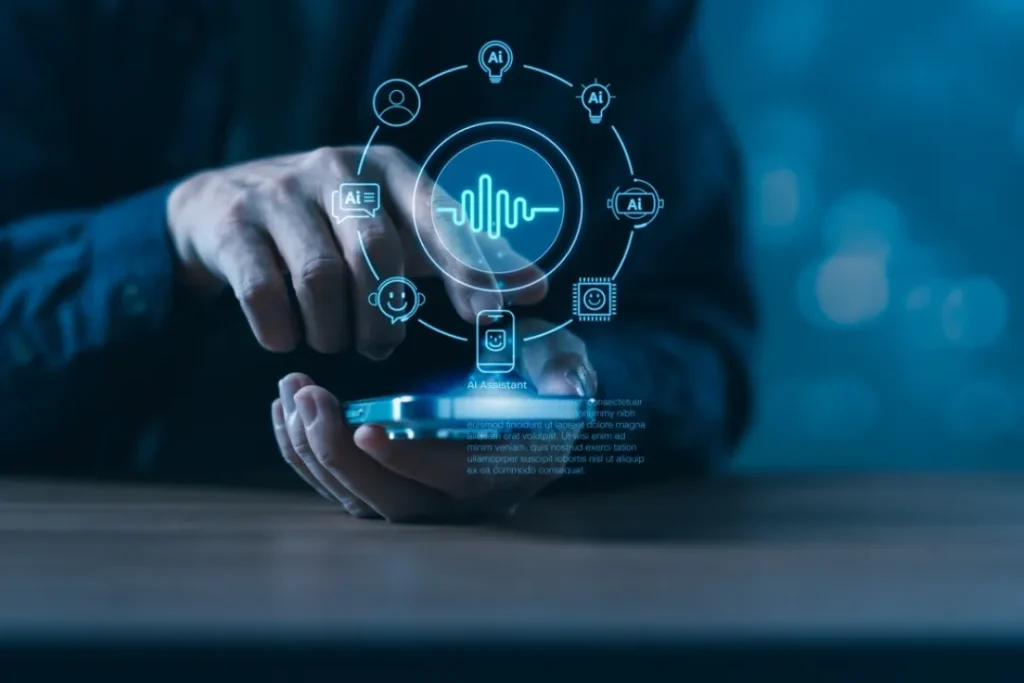
AI voice cloning is a new technology that makes fake copies of human voices using artificial intelligence. This complex process looks at speech patterns, tone, pitch, and other vocal traits to make digital voice copies that sound very real. Modern AI systems can copy a person’s voice with amazing accuracy after only a few minutes of audio recording. This means that the cloned voice can read any text in the original speaker’s unique style.
The technology has changed a lot in the last few years. It used to sound robotic, but now it sounds almost like human speech. Today’s advanced neural networks can pick up on small differences in voice, like emotional tones, breathing patterns, and pronunciation quirks that make each voice sound different.
How Does AI Voice Cloning Technology Work?
Deep learning algorithms and neural networks are used in AI voice cloning to process audio data in complex ways. The first step is to get voice samples from the person you want to speak to. This usually takes a few seconds to a few minutes of clear audio recordings.
After that, the AI system uses text-to-speech (TTS) technology and voice conversion models to look at these samples. Machine learning algorithms find unique things like the timbre, accent, speech rhythm, and vocal range of a voice. A digital voice model stores these traits, which is what synthesis is based on.
The system takes written text as input and makes audio that sounds like the cloned voice profile when it makes new speech. WaveNet, Tacotron, and transformer-based architectures are some of the advanced models that make sure the output sounds natural with the right intonation and emotion.
Popular Applications of Voice Cloning Technology
Voice cloning technology has a lot of real-world uses in many different fields. It has changed the way we make and listen to audio content.
Content Creation and Media Production: Podcasters, YouTubers, and other content creators use voice cloning to keep their narration consistent even when they’re sick or busy. This makes sure that content is delivered on time without losing quality or authenticity.
Accessibility Solutions: Voice banking lets people who have lost their voice because of medical conditions like ALS or laryngeal cancer keep their natural voice before it gets worse. This is a huge source of emotional comfort and a way to keep your sense of self.
Entertainment and Gaming: The gaming industry uses voice cloning to make different character voices and give players more options for dialogue without having to hire a lot of voice actors. It is used by film studios to dub, replace dialogue, and recreate voices after death.
Customer Service and Virtual Assistants: Businesses use cloned voices in chatbots and automated customer service systems to make the user experience more personalized and interesting. This technology lets brands keep the same voice across all touchpoints.
Education and E-Learning: Voice cloning is used by educational platforms to turn written materials into audio files, which makes learning easier. Teachers can make as many audio lessons as they want without having to record every single thing.
Benefits of Using AI Voice Cloning
Voice cloning technology has many benefits that go beyond just making things easier. It can change the way people and businesses work.
Time and Cost Efficiency: With traditional voice recording, you have to schedule studio time, hire voice actors, and deal with multiple takes. Voice cloning gets rid of these limits, making it possible to make audio right away for a fraction of the cost of traditional methods.
Scalability and Flexibility: Once a voice model is made, it can make as much content as it wants without having to record more. This ability to grow makes it perfect for projects that need a lot of audio.
Consistency and Quality Control: Voice cloning makes sure that all productions have the same high-quality audio. Cloned voices are always the same, unlike human recordings, which can change based on health, mood, or the environment.
Multilingual Capabilities: Advanced systems can clone voices in different languages, allowing speakers to talk in languages they don’t know while still keeping their unique voice.
Personalization at Scale: Businesses can send personalized audio messages to thousands of customers at once, all with the same brand voice that everyone knows.
Ethical Considerations and Concerns
AI voice cloning has many great benefits, but it also raises important moral questions that society needs to answer. The possibility of misuse, such as making deepfakes, impersonating someone for fraud, or copying someone’s voice without permission, is a big problem.
In voice cloning apps, consent is very important. If you use someone’s voice without their permission, you are breaking their privacy rights and could face legal action. Because the technology can convincingly impersonate people, it can be used for scams, spreading false information, and stealing people’s identities.
Regulatory frameworks are still trying to keep up with how fast technology is changing. Many places are making laws just for synthetic media and voice cloning, but there aren’t many global standards that cover everything.
When using cloned voices, it’s important to be open about it. People should know when they’re hearing fake voices instead of real recordings, especially when it comes to news, testimonials, or official communications.
Best Practices for Responsible Voice Cloning
People and businesses that use voice cloning technology should follow ethical guidelines to make sure they use it responsibly. Always get written permission before cloning someone’s voice, make it clear when you’re using synthetic voices, and put in place security measures to keep people from getting into voice models without permission.
Adding metadata or watermarks to cloned audio can help find fake content and stop bad uses. Companies should also make it clear what kinds of use cases are acceptable and regularly check their voice cloning apps.
The Future of AI Voice Cloning
Voice cloning technology is going to get even better in the future. Scientists are working on systems that can better capture emotional subtleties, change voices to fit different ages, and make completely synthetic voices that sound just like real people without needing any audio from a source.
Connecting with other AI technologies, such as real-time translation and emotion recognition, will open up new ways for people to communicate and have unique experiences around the world. As technology gets better, we can look forward to better tools for accessibility, more fun ways to entertain ourselves, and new ways to communicate.
But this progress needs to be balanced with strong ethical guidelines, legal protections, and technological safeguards to keep people from abusing the system and get the most out of it.
Conclusion
AI voice cloning is a powerful tool that is changing how we make, share, and talk about audio content. We can use it safely and responsibly if we know what it can and can’t do. As this technology keeps changing, it will be important for developers, users, policymakers, and ethicists to keep talking to each other to make sure it is in the best interests of all people.